What's The Grime? November 2025 update
Hi What’s the Grime? volunteers and interested Hamilton residents!
In November 2024, we built 50 “sampling kits” to collect black soot/fallout at the homes of 50 volunteers located throughout the city. We collected samples from each kit at 4 month intervals, to evaluate the build-up of dust throughout the year. Finally, we have just finished collecting our last round of dust samples from all our volunteers!
Behind the scenes, our team has been working through the best ways to analyze the multitude of samples we’ve collected.
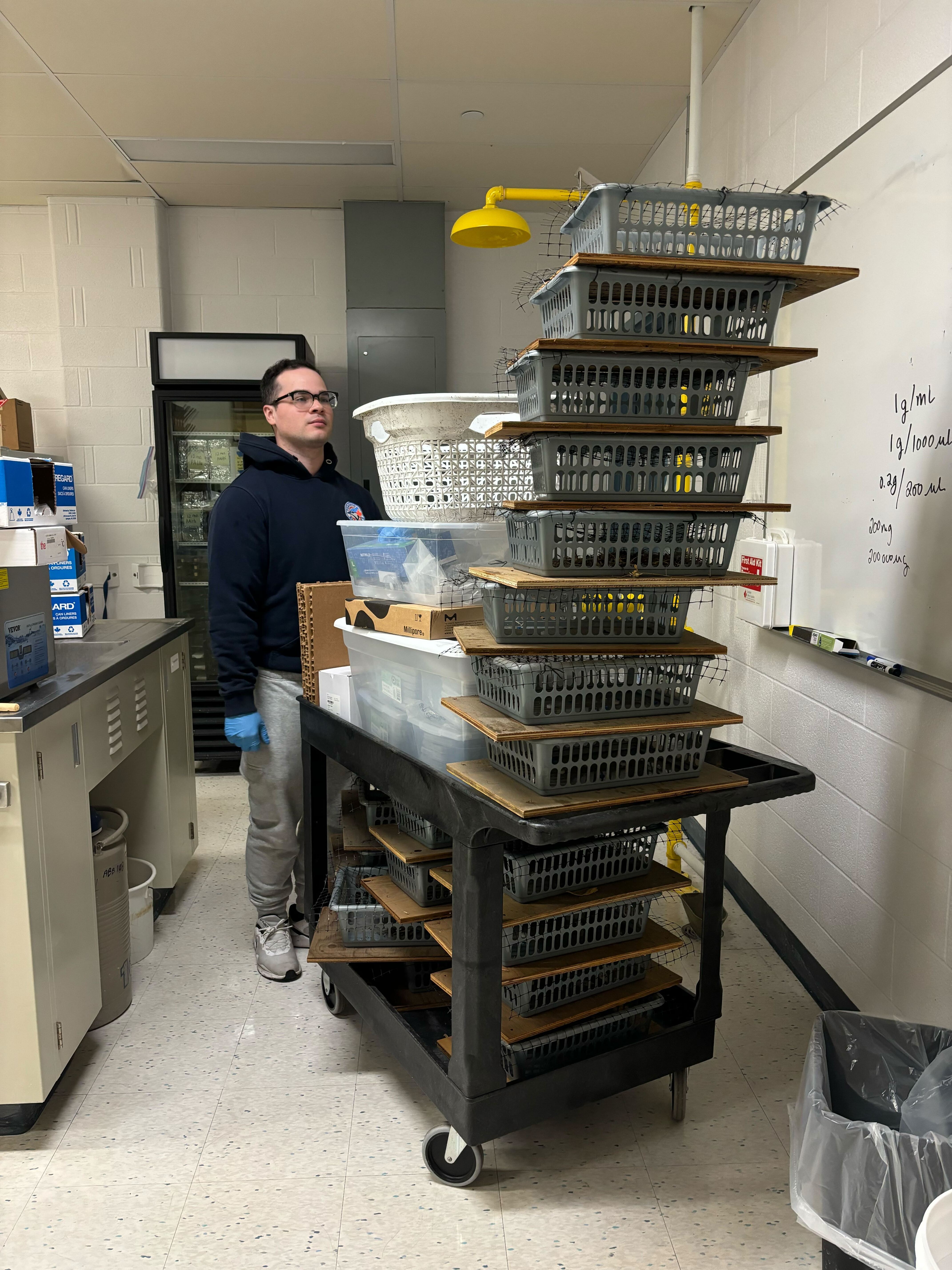
Our scientific approach consists of two major goals: to (1) measure grime build-up, using microscopic imaging techniques, (2) measure the amounts of key pollutant groups, that are toxic and relevant to future health assessments—polycyclic aromatic hydrocarbons (PAHs) and heavy metals. We chose to study PAHs because they can be created through processes such as gas combustion and steel manufacturing. Many types of metals also have similar sources.
We have almost finished getting images of all of the urban grime samples, which will help us visualise the amounts of dustfall in different Hamilton neighbourhoods. We have ~ 100 samples from the last sample collection (Nov 2025) left to image.
PAH analysis is more complex than imaging, so it’s taking a bit more time—we have analysed all of the samples up to the Mar 2025 collection period. We have about ~200 PAH samples remaining to analyse.
We are analysing the metal content in our samples with the help of Dr. Jenny Wong at Mt. Allison University, New Brunswick. We are still in the testing phase of the metal analysis, and we’re currently in the process of shipping the samples to her lab in New Brunswick. After we ensure that our metal analysis is scientifically ‘sound’, we can proceed with the analysis of all 250 metal samples collected throughout the year.
Once the sample analysis is complete, we will share our major findings with What’s the Grime? volunteers and public through a virtual interactive webinar like we did over the summer with our volunteers. We will also be sharing with local news outlets, city Councillors, public health organizations, and other interested parties; to use the data we collected in a meaningful way. Finally, we plan to write scientific articles of our findings for the environmental science community which will also be shared with the public.
If you want to stay in the loop - be sure to sign up for updates on our project page!
Showing 1 reaction